Highland Farm Park – Semi-Business Plan & Activation Blueprint
A Working Farm for the Future
” COMING SOON: HIGHLAND FARM PARK IS IN THE PLANNING STAGES, IF YOU WOULD LIKE TO BE A FARM PARTNER FOR THIS AREA – CONTACT US ABOUT THE POSSIBILITIES!”
mission statement
“To cultivate a productive, educational, and collaborative farm at the heart of Highland Farm Park—where local farmers thrive, innovation is showcased, the public reconnects with food systems, and community-supported agriculture creates a resilient future for all.”
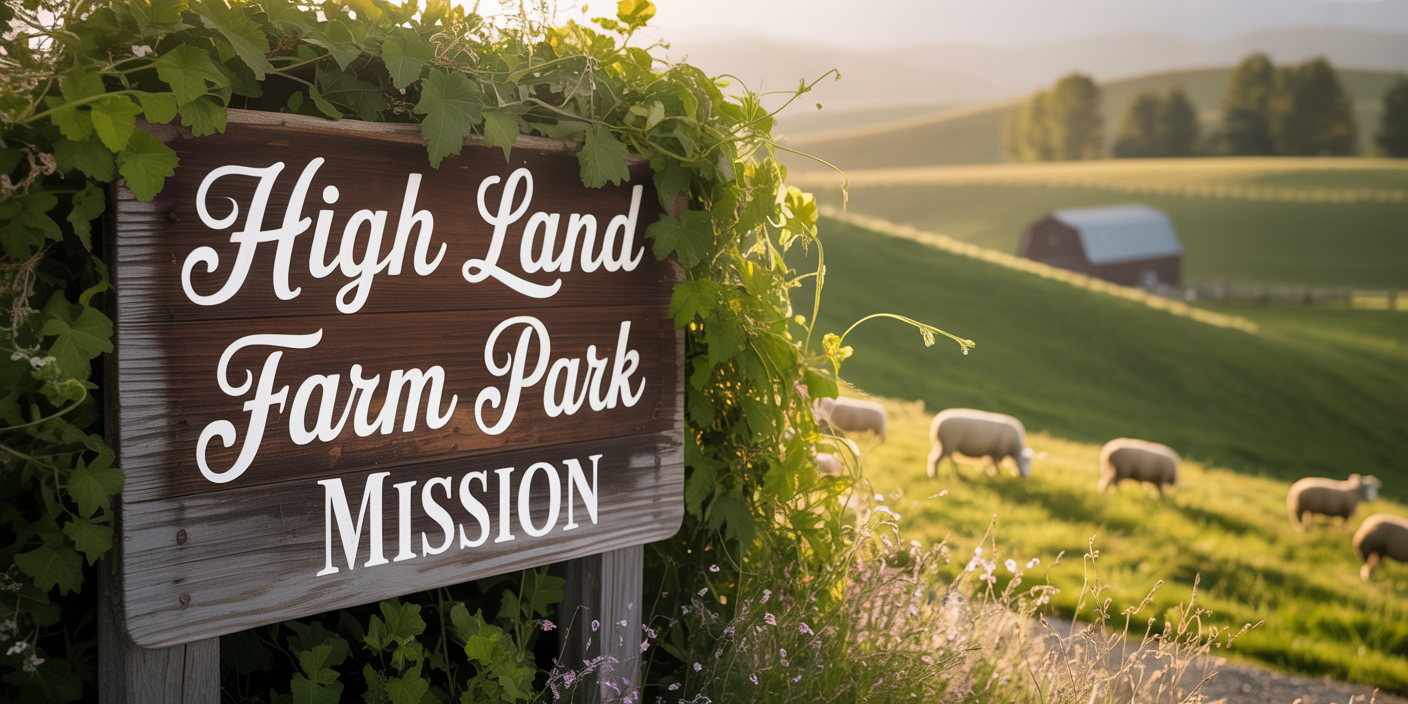
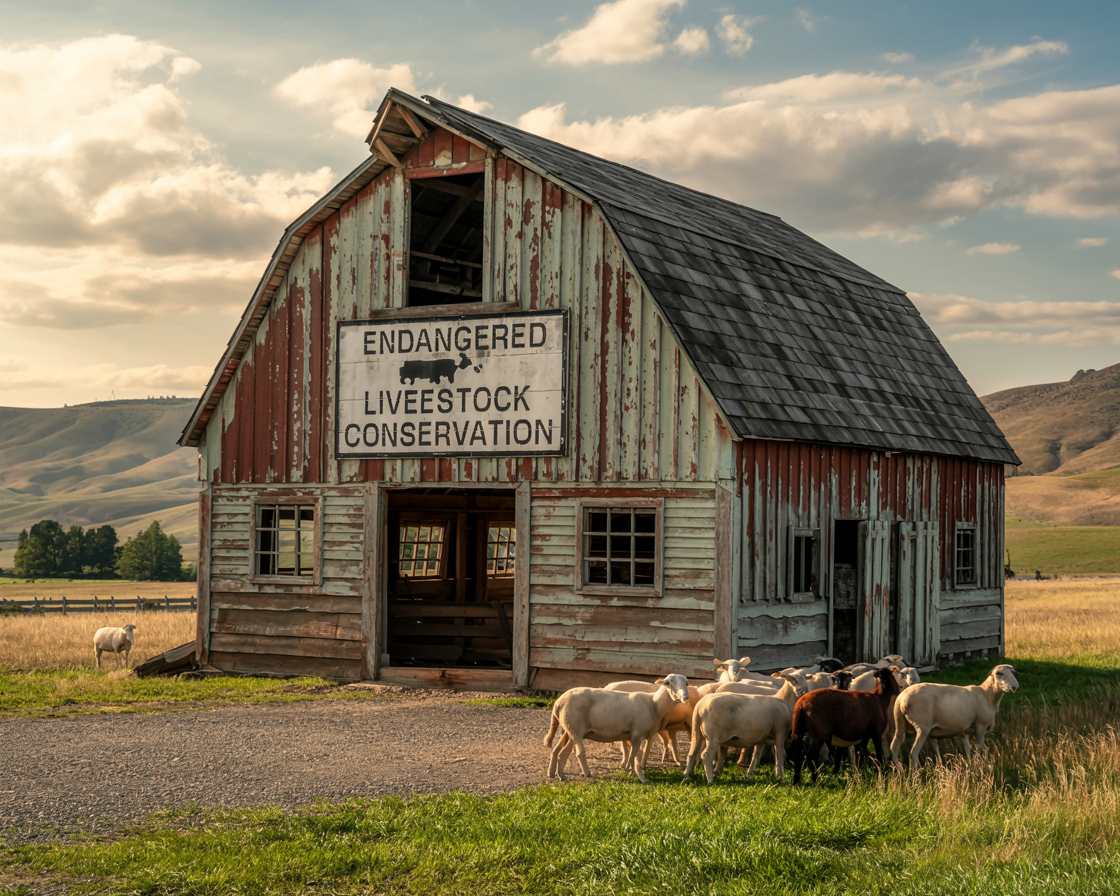
overall description
The Farm is the central agricultural engine of Highland Farm Park—designed as both a producing farm and an immersive learning environment. It combines traditional field agriculture, high-tech greenhouse production, vertical farming showcases, regenerative practices, and poultry care through the Happy Hens Egg Cooperative.
This space is first and foremost a working farm, built to supply food to Park shareholder-members and then to the local community. It is also a place of education, inspiration, and equity for farmers, offering them access to land, infrastructure, and a collaborative ecosystem without the crushing financial burden of ownership.
Local Farmer Empowerment
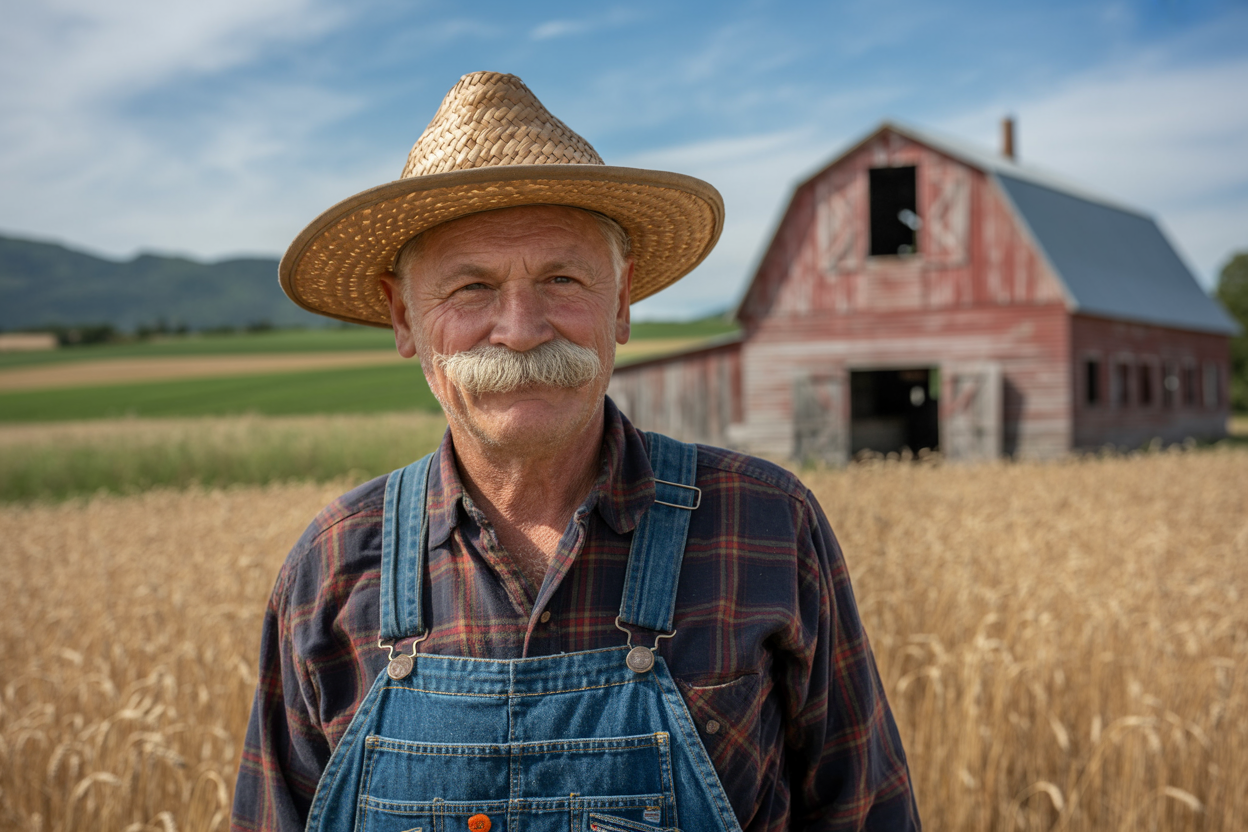
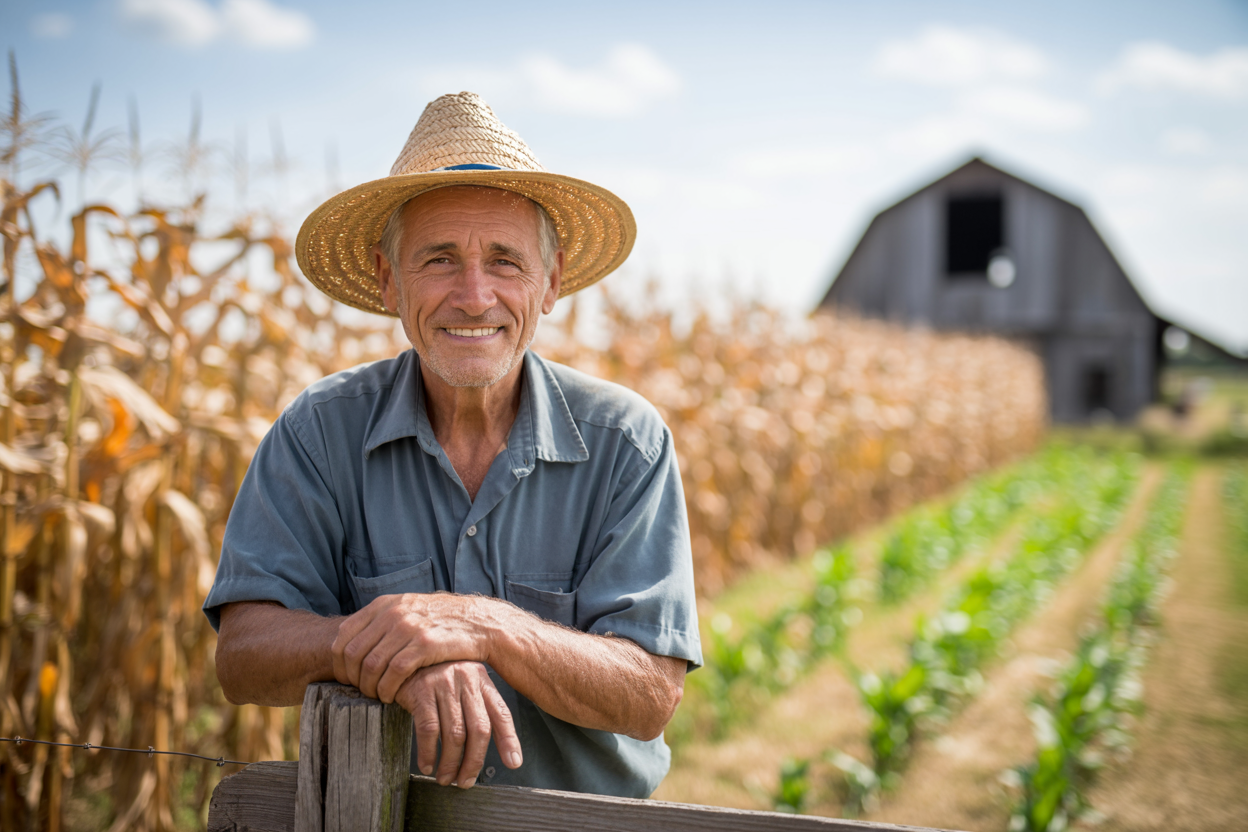
At the heart of The Farm are local farmers, who act as the primary operators and stewards. They manage core agricultural zones and bring their expertise to the table in exchange for:
- Access to free land use (no mortgage or lease fees)
- Access to shared tools and infrastructure
- Participation in profit-sharing or contract-based growing agreements
- A reliable customer base through CSA memberships and farm shareowners
- A collaborative, low-overhead, high-respect environment
This model allows farmers to earn a good living, maintain autonomy in their growing practices (within organic and regenerative guidelines), and gain social recognition as vital members of the Park community.

structure & operaions outline
Farm Director or Lead Farmer
seasoned farmer acts as manager/coordinator
Local Farmer Partners
Assigned plots or crops, operate as lead growers
Community Volunteer Network
Includes Park shareholders and members
Partnered Nonprofits and AgTech Collaborators
Maintain education/demo zones
CSA Coordinator
Runs harvest logistics, orders, delivery, etc.
Youth Interns & Vocational Students
Contribute to seasonal support and gain experience
seasoned farmer acts as manager/coordinator
Assigned plots or crops, operate as lead growers
Includes Park shareholders and members
Maintain education/demo zones
Runs harvest logistics, orders, delivery, etc.
Contribute to seasonal support and gain experience
Stratefic partners & role
Local Farmers
Primary Partners
Provide: Farming expertise, stewardship, crop production.
Benefits: Living wage without land/equipment cost, visibility, community, access to loyal buyers.
Become a Partner
Nonprofits
Food justice, Youth, Regenerative Farming
Provide: Labor, classes, social outreach, mission alignment.
Benefits: Impact reach, farm access, fundraising opportunities.
Become a Partner
AgTech Innovators & Greenhouse Providers
Provide: Installations, equipment, system demos, R&D support.
Benefits: Real-world testing, branding visibility, co-marketing.
Become a Partner
Restaurants & Chefs
Provide: Crop demand lists, purchase contracts, events.
Benefits: Farm-to-fork integrity, story-driven ingredients.
Become a Partner
Educational Institutions
Provide: Student interns, curriculum partnership.
Benefits: Field learning, community integration.
Become a Partner
Shareholders & Community Members
Provide: Funding through share purchases, volunteer support.
Benefits: Produce access, on-farm participation, events.
Become a Partner
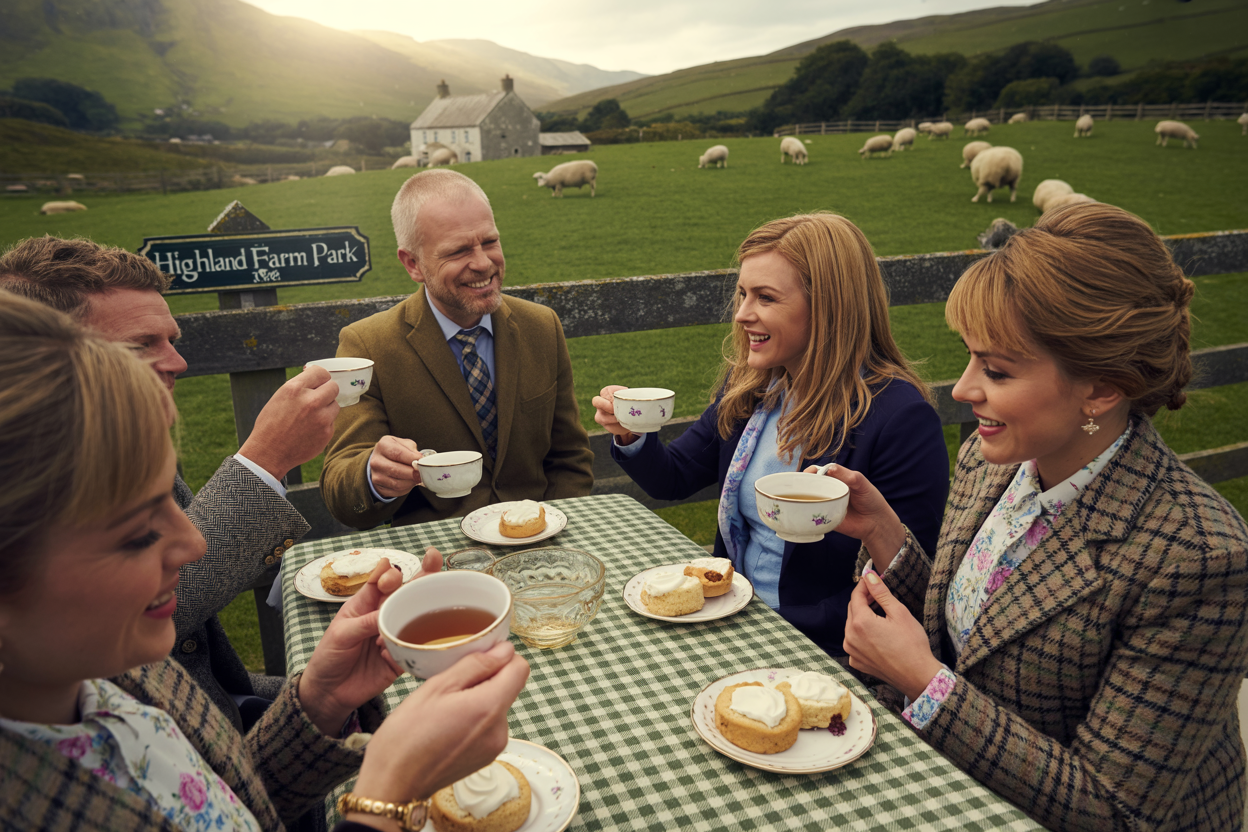
Visitor & guest experiences
- Self-guided and guided tours of traditional + tech farming
- Henhouse viewings and egg collection experiences
- Seasonal farm dinners and chef-led tastings
- Pick-your-own events and produce sampling
- Volunteer Workshare Days for all ages
- Kids’ Mini Garden Bed planting and harvest events
- Story-based signage, “Adopt-a-Hen” or “Sponsor-a-Row” campaigns
- Farmstand with rotating seasonal offerings and merch
Purpose & conversation Goals
- Support farmer livelihoods through a low-cost, high-support cooperative model
- Use climate-smart, regenerative techniques to protect land and sequester carbon
- Demonstrate multiple growing systems for public and educational exposure
- Provide food access equity through nonprofit collaborations
- Eliminate organic greenwashing by producing and showcasing real, nutrient-dense food
- Educate the next generation about where food comes from
Income producing avenues
- CSA Memberships (Tiered shareholder-based box programs)
- Restaurant Sales Contracts
- Egg Sales via Happy Hens Egg Cooperative
- U-Pick Experiences & Farmstand
- Farm-to-Table Events
- Ag Tech Partnerships & Leasing for Showcases
- Educational Workshops & Farm Tours
- Produce for Catering On-Site Weddings/Events
- “Adopt-a-Plant” and “Sponsor-a-Plot” Campaigns
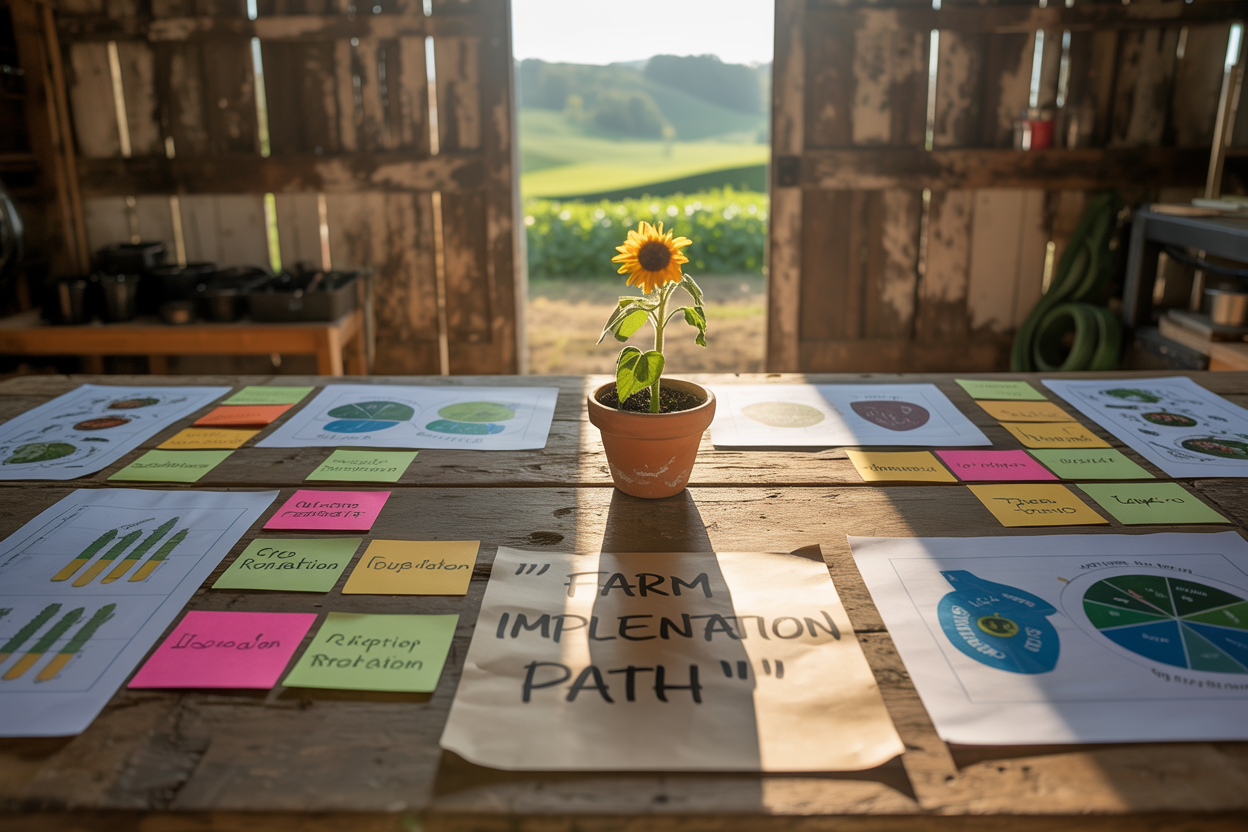
brainstorming implementation path
Phase 1: Founding & Ground Prep
- Assemble a core group of local farmers as advisors and future stewards
- Outline available land plots and agree on initial crops and rotations
- Build essential infrastructure: irrigation, fencing, pathways, and shared sheds
- Launch a “Founding Farmer” fundraising campaign to support start-up needs
Phase 2: Partnership Activation
- Invite nonprofits and AgTech firms to partner through a formal RFP or invitation letter
- Map out farm zones for each function (field, greenhouse, vertical, hens)
- Launch volunteer recruiting events with clear pathways for shareholder involvement
- Begin composting and soil-building to prepare for Year 1 planting
Phase 3: Grand Opening Season
- Begin CSA deliveries to shareowners
- Host an inaugural “Meet the Farmers” festival
- Implement signage, storytelling, and seasonal tours
- Host farm workshops and chef dinners to establish the site as a year-round attraction
- Assemble a core group of local farmers as advisors and future stewards
- Outline available land plots and agree on initial crops and rotations
- Build essential infrastructure: irrigation, fencing, pathways, and shared sheds
- Launch a “Founding Farmer” fundraising campaign to support start-up needs
- Invite nonprofits and AgTech firms to partner through a formal RFP or invitation letter
- Map out farm zones for each function (field, greenhouse, vertical, hens)
- Launch volunteer recruiting events with clear pathways for shareholder involvement
- Begin composting and soil-building to prepare for Year 1 planting
- Begin CSA deliveries to shareowners
- Host an inaugural “Meet the Farmers” festival
- Implement signage, storytelling, and seasonal tours
- Host farm workshops and chef dinners to establish the site as a year-round attraction